Neglected and forgotten spices in Ghana, why we should include them in our meals.

Some of the most delicious meals are prepared in West Africa, particularly Ghana. The magic behind these foods is the spices used while making them. Ghana is endowed with a wide variety of herbs and spices that not only add an amazing flavour to your food or beverage but also have outstanding health benefits. This article gives a list of herbs and spices in Ghana and their health benefits.

Cinnamon

Cinnamon is a spice obtained from the inner bark of several tree species from the genus cinnamomum.

Cinnamon is used mainly as an aromatic condiment and flavouring additive in a wide variety of cuisines, sweet and savoury dishes, breakfast, cereals, snacks foods, tea and traditional foods.

Health benefits of the cinnamon powder.

*Regulates blood blood sugar levels

* Reduces cholesterol levels

* Aids digestion

* Relieves sinus congestion

* Reduces inflammatory and arthritis pains

* Relieves menstruation cramps.

* Prevents tooth decay and gum diseases.
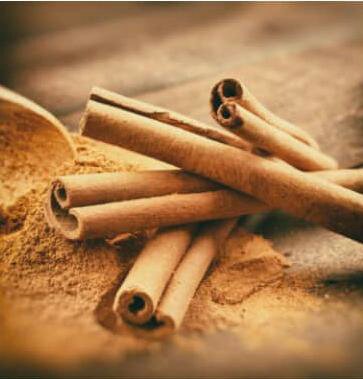
Cinnamon

Nutmeg

Nutmeg is a spice that’s commonly used in baked goods, holiday treats, ethnic cuisines and beverages.

The spice is produced by grinding nutmeg seeds from a flowering plant on the mysristicaceae family.

While nutmeg is commonly used in cooking and baking, the spice also have it’s medicinal and health values.

Health benefits of the nutmeg

* The spice is sometimes used in the treatment of cancer

* diarrhoea

* Intestinal gas

* Kidney disease

* Stomach problems

Nutmeg also provides a small amount of vitamin A, folate, choline and Vitamin C but not in amount that will impact your daily recommended intake of those vitamins.

Indefinitely, you can simply grind what you need and save the rest later. It can be used to flavor sweet baked goods such as pastries, it can also be used to flavor meats or fish or starchy vegetables.

Nutmeg is know to lose it flavor quickly and for that reason some cooks choose to buy it in whole. Whole nutmeg stay fresh.
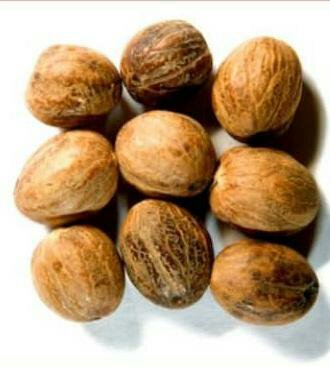
Nutmeg

Clove

Cloves are versatile spice that can be used to season pot roast,add flavor to hot beverages and bring spicy warmth to cookies and cakes.

In addition to their sweet, KIA flavor, cloves are known for their potent medicinal properties.

Medicinal values

Cloves contain important nutrients such as fiber, vitamins and minerals such as calories, carbohydrates and are also high in antioxidants including eugenol and vitamin C, both of which can help reduce oxidative stress.

Test tube studies show that the compound in cloves may reduce cancer cell growth and promote cancer cell death.

Cloves can also promote oral health because of it’s antimicrobial properties, which may help kill harmful bacteria.

Cloves

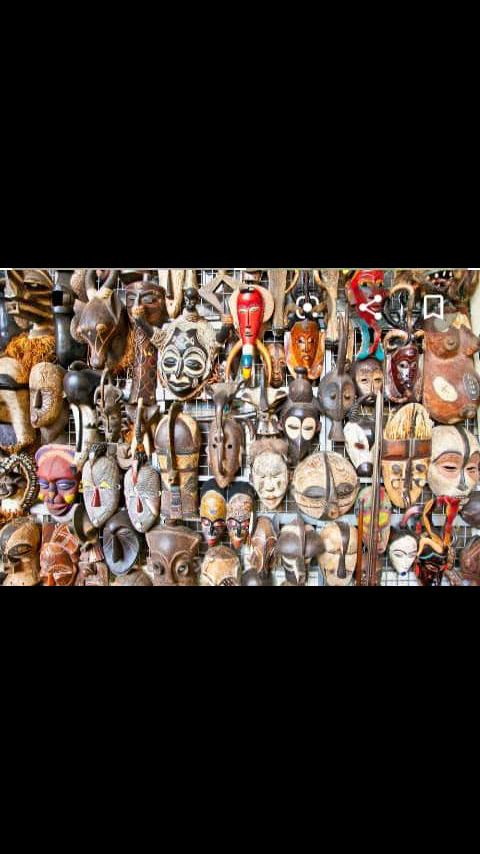
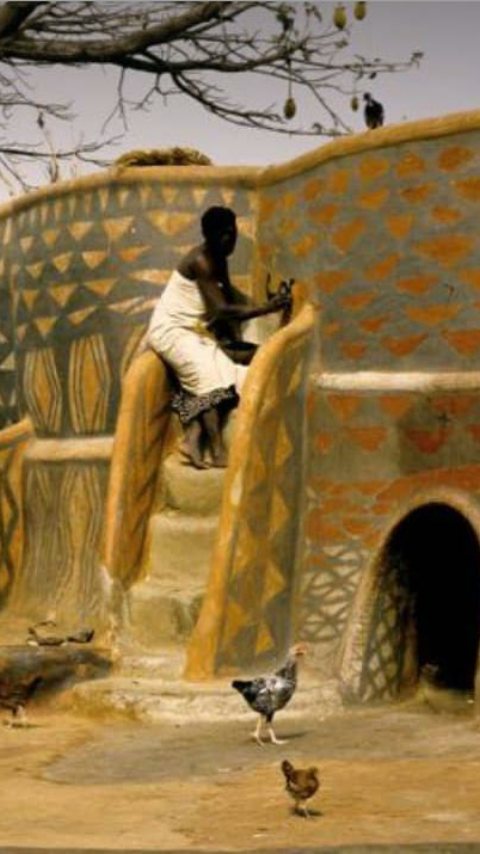
Know more about the Ghana Arts and Craft industry

As we all know that West Africa is rich in arts and crafts, and undoubtedly, most of it’s unknown yet exquisite treasures can be mostly be found in the western African hub of Ghana.

Ghana is unique in many ways. Ghana is well known for it’s music, culture and cuisine but unbeknownst to many,and just as deserving of recognition, is its fine traditional and local handicrafts.

Handicrafts are colourfully patterned and painstakingly designed. Of course they don’t use a paint sprayer to design kente cloth, everything which is crafted there has some deep, resonant meaning.

Furthermore, art is not done there for the sake of doing it because they represent their ancient cultures and traditions.

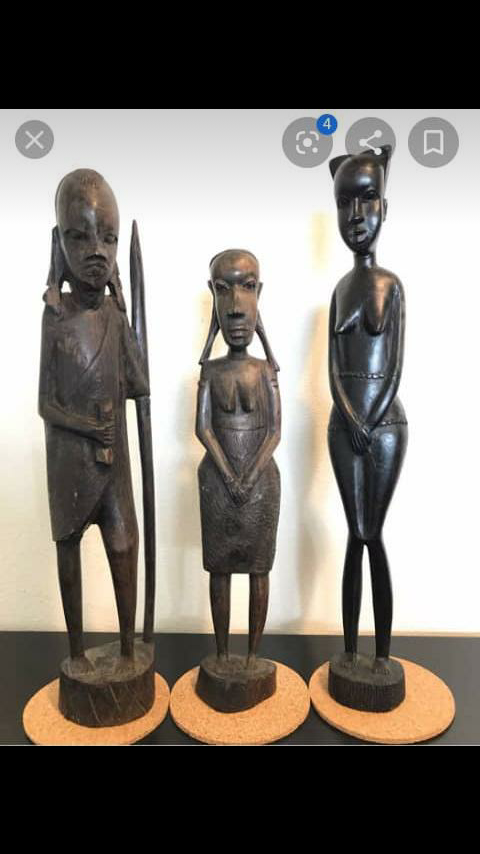
Craft stalls are set around the country so that visitors can see the wonderful crafts made by the craftsmen. Ghana is also known for it’s open markets. You can find beautiful hand woven textiles, beads, brass works, gold jewelry, paintings, ceramics, pot and earth ware and wood carvings not to mention a few.

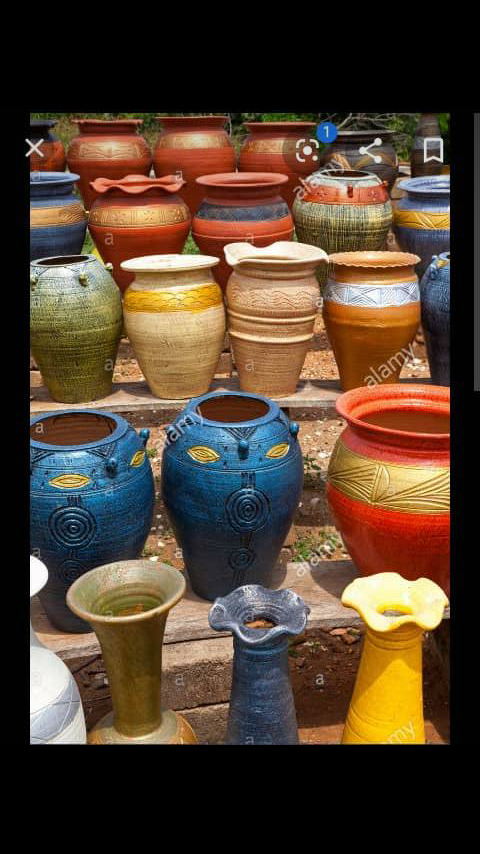
POTTERY AND EARTHWARES

Pottery started in Ghana in the early 18th and 19th centuries by the Ashanti’s.

Today pottery has spread to many other ethnic groups in Ghana. It can be seen in any Ghanaian local markets and it comes in different designs and colours.

Pots and earthware bowls sold in Kumasi kejetia market.
Beautifully designed pots.

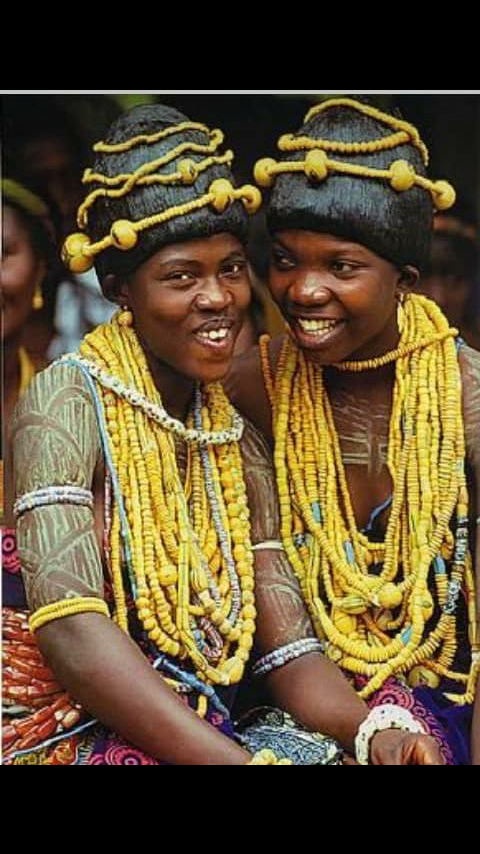
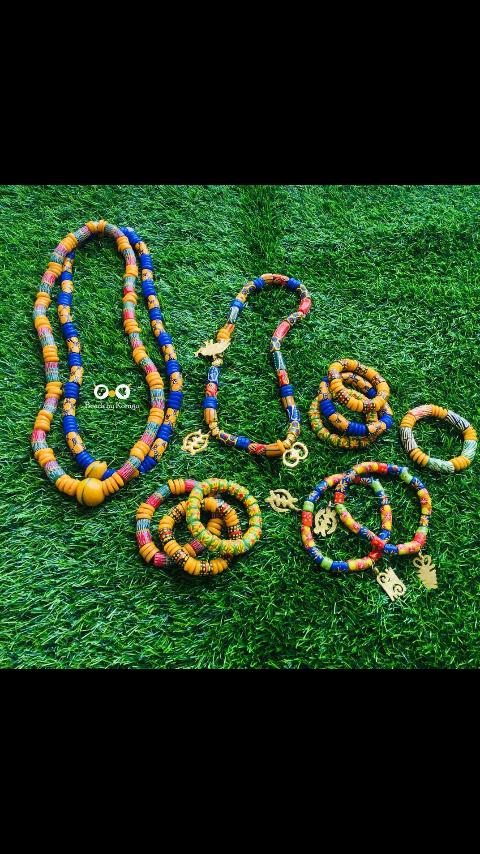
ORNAMENTAL BEADS

Beads are basically Ghana’s most famous and common jewelry because it’s relatively cheaper than a gold or diamond ornament. Beads are worn at special occasions which signify wealth and status. Beads are made from materials such as recycled glass, brass, bauxite and shells or seeds. The krobo ethnic group are best known for making of beads.

Beautiful ‘dipo’girls with beautiful beads.
Beautiful engagement beads for couples

ARTS AND PAINTINGS

The study of paint in the traditional art of Ghana is pertinent not only to the if of visual arts but also to the total historiography and his to riot um rural background of Ghana.

Ghana is renowned for producing the best in authentic African arts and paintings.Art’s is not only a beautiful sight to behold it’s indeed creativity at it’s utmost best. You can find paintings of animals, trees, famous famous people who have lived and died and in fact anything creatively an artist can ever think of .

The Kwame Nkrumah museum, the Tetteh arts market, wild gecko (a shop mostly dedicated to expats), global mamas( a clothes shop in OSU) and of course the Accra arts center are various places one can buy a beautiful piece of painting

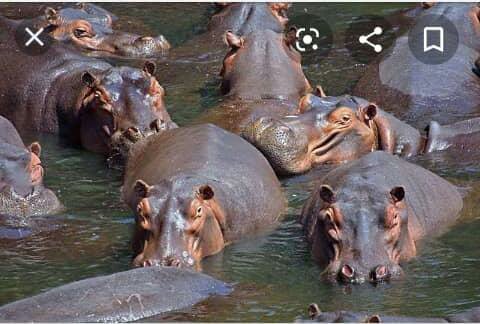
Seven facts about the hippo that will shock you. A must read!!!!!!!

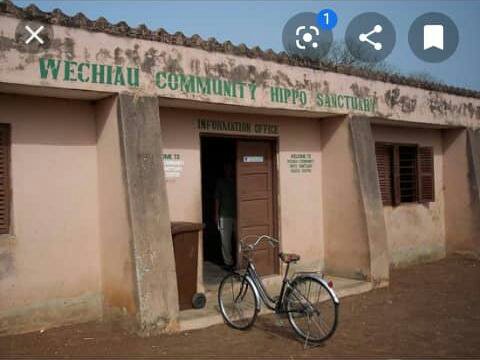
The Wechiau Hippo Sanctuary, a community protected area is located at the extreme north – western corner of the Upper West Region of Ghana.

It consists of a 40-kilometers stretch down the length of the black Volta river which forms the regions western boundary with Burkina Faso. This much hippo sanctuary on the black Volta was initiated by some local chiefs in 1999.

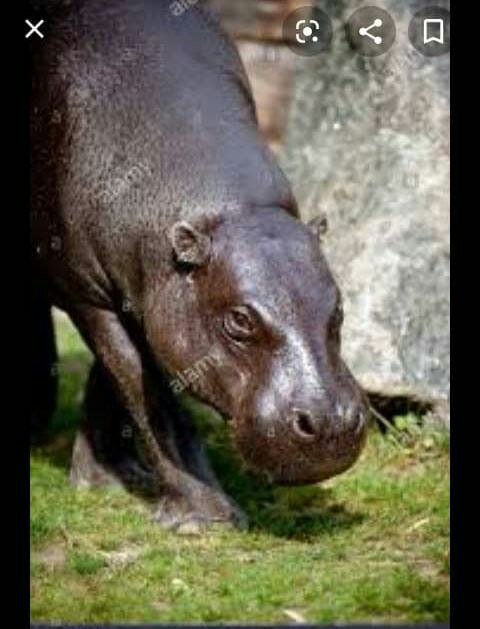
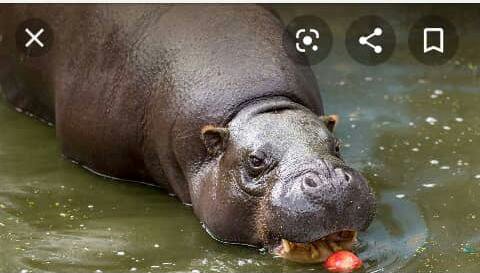
Hippos have different types and species not necessarily how we see them.The most ugly and fearful hippo is the chubby grey hippo. The chubby grey hippo won’t win any prize for prettiness, with it’s chunky tusks and webbed feet, but it is the third largest animal that lives on the land in the world.

Hippo groups have social structures and etiquette, and the animal has formidable weapons at it’s disposal which can be dangerous to humans.

Hippos are edible and the meat is highly prized in some areas of the world.

Seven most wonderful facts about the hippopotamus.

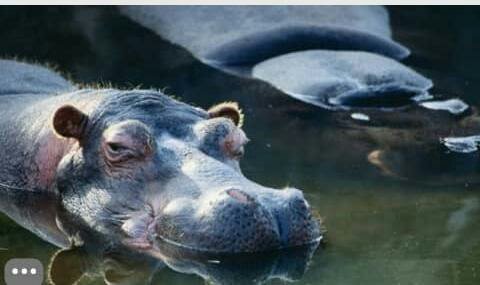
1.Despite reading in water for s larger portion of their lives, hippos can’t swim or float. They walk or stand on the surface like sandbanks blow the water.

2. Hippos secrete an oily red substance that act as a moisturizer, sunblock and protects them from germs. Don’t let it fool you, you may suspect them from sweating blood.

3. They can put their breathing on auto mode. Although, they can hold their breath up to seven minutes, most adult hippos resurface every 3-5 minutes for oxygen. Even sleeping hippos surface without waking.

Hippos family

4. Hippos are able to close their nostrils and ears to prevent water from entering.

5. An open mouth can be misconstrued as a yawn, while it’s much more setup than that. This means that they are marking their territory and warning you off. You can hear honking and grunting as well.

Hippo feeding on palmnut

6. A hippos life span is up to 40 years, surprising right??

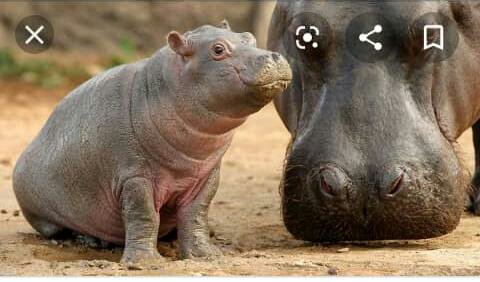
Hippo and baby


7. They can come out for like four to five hours to graze every night and can cover up to 10km. They feed using their muscular lips.

Wechiau hippo sanctuary
Chubby grey hippo

Let’s take it back to the epoch of the Ghana’kente’

Today our Ghanaian markets has been dominated by foreign clothes and styles. Where is our GTP, our ATL, our Fugu from the northern part. Oh! all have been overshadowed by foreign styles and fashion. But what about our ‘kente’ it seems considerable number of Ghanaians still wear it but do they really know how important the kente is?let’s talk about the kente and why we must wear it.

Kente cloth, the traditional and national cloth of Ghana, is worn by several Ghanaian tribes, most especially the Akans, the kingdom of the Ashanti royalty currently prevalent throughout ‘Asanteman’

Kente, known as ‘nwentoma’ in Akan, is a type of silk and cotton fabric made of interwoven cloth strips made and native to the Akan ethnic group of Ghana. Kente is made in Akan lands such as Sakora, Bonwire, Wonoo among others.

Today, this fabric is worn by almost every Ghanaian tribe. Kente comes from the word ‘ kenten’ which means basket in the Asante dialect , they refer to it as ‘ nwentoma’ which means woven cloth.

Kente as a royal and sacred cloth of the Akans is worn only in times of extreme importance. Overtime, the kente became more widespread however its still held in high esteem in the southern part of Ghana. Globally it is uses in the design of academic stole in graduation ceremonies.

Characteristics of kente

Kente cloth varies in complexity. ‘Ahewpan’ refers to a simple design of warp stripes, created using plain, weave and a single pair of heddles.

In contrast, ‘adweneasa’ which translates, as my skill is exhausted, is highly decoys type of kente with weft- based patterns woven into every available block of plain weave.

The Akan people choose kente cloths as much for their names as their colors and patterns. Although, the cloth’s are identified primarily by the patterns found in the lengthwise threads, there is often little correlation between appearance and names.

Names are derived from several sources including proverbs, historical events, important chiefs, Queen mothers and plant. The kente cloth symbolizes high in value.

ORIGIN OF KENTE

West Africa has had a weaving culture for centuries via the stripweave method, but Akan history tells of the cloth being created independent on outside influence. Kente has its origins from the Akan/Ashanti kingdom in Ghana. The origin of kente is in the Akan empire of ‘ Bonoman’ and most Akans migrated out of that area to create many States.

Today, the ewe people of Ghana claim the weaving of kente originated with them, although they are not claiming they invented the art of weaving. They suggest that the name is derived from ” kete” which relates to two alternating rhythmic actions ( ke and te) meaning open and press in the ewe language associated with the weaving of the loom. But the creators are the Bonwire people of Asanteman in the Ashanti region of Ghana

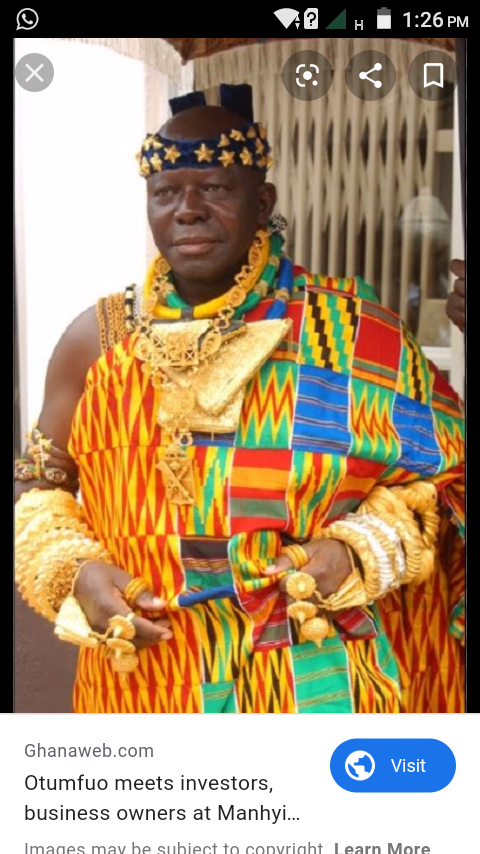
Paramount chief of the Ashanti kingdom, Otumfuo Osei Tutu in a beautiful kente piece
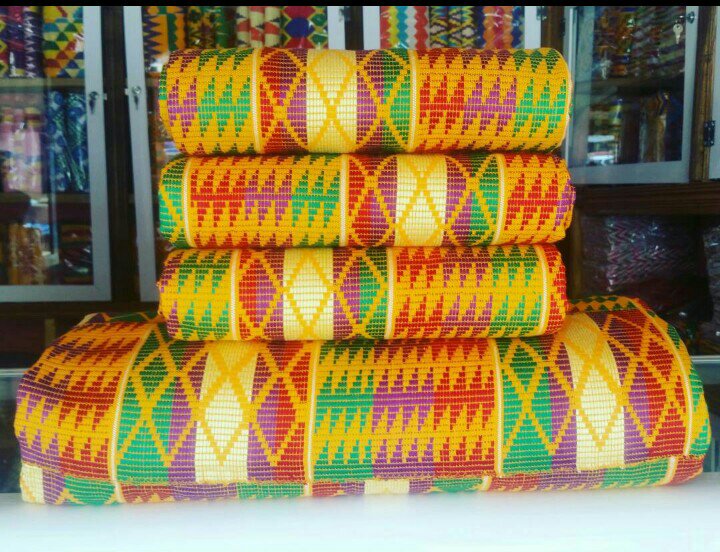
Beautiful Asante kente
Ghana engagements are incomplete with kente.
The patterns and designs determines the price of a kente cloth. This kente is basically made up of rich Ashanti symbols
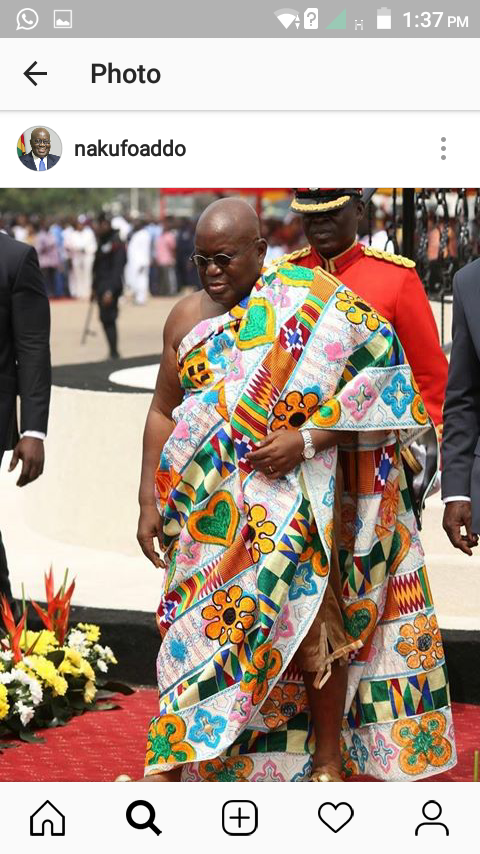
Kente is really a national cloth of Ghana even the president wears it
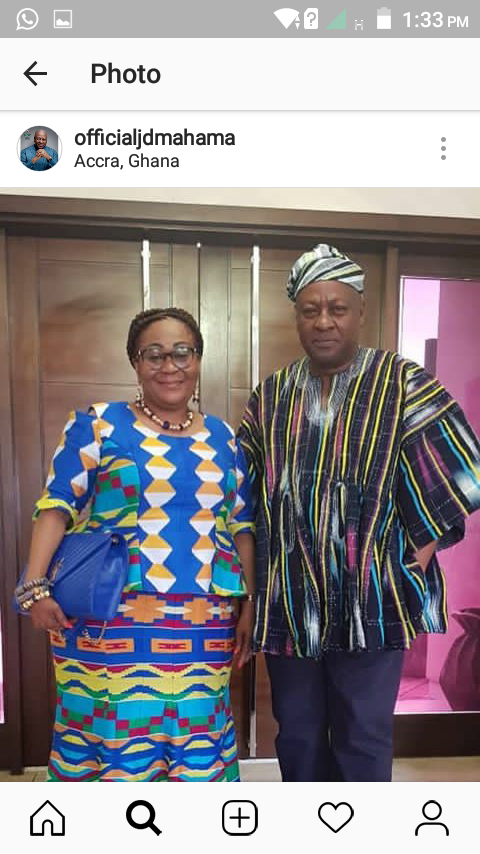
Former prez Mahama and wife in beautiful ‘Batakari’ and kente
Beautiful bride
Kente is just a unique type of cloth

Health benefits of the Ghanaian ,”kube”

Unlike those times when its only those who had coconut trees in their compounds enjoy coconut, today it’s relatively different. Should we call it modernization or just because we heard it’s good for our health? Out of one of every Ghanaian street you will see that coconut is being sold. When ask them that will tell you the coconut water is good but do they actually know the health benefits of it at all??

Let’s talk more about the health benefits of the coconut water.

Coconut grows on a large palm tree known scientifically as cocos nucifera. Despite the name, the coconut is botanically considered a fruit rather than a nut. Coconut water is the juice found in the center of a young green coconut which helps nourishes the fruit.

As coconut matures, some of the juice remains in the liquid form while the rest ripens into the solid white flesh known as the coconut meat. Coconut water forms naturally in the fruit and contains 94% water and very little fat.

Coconut takes 10 to 12 months to fully mature.Coconut water typically comes from young coconut about about 6 to 7 months of age, though its also found in mature fruit. An average green coconut provides about 0.5 cups of coconut water.

One cup (240ml) contains 46 calories

Carbohydrates 9 grams

Fiber 3 grams

Protein 2 grams

Vitamin C 10% of the RDI

Potassium 17% of the RDI

Magnesium 15% of the RDI

Sodium 11% of the RDI

Calcium 6% of the RDI

Looking at all this nutritional benefits of that small coconut its rather overwhelming and very imperative that we at least take a cup of Ghana coconut water everyday.

We all love coconut, nowadays its being sold on almost everything Ghanaian street but do we actually know it’s health benefits??? Let’s Read!!!!!?
Continue reading “Health benefits of the Ghanaian ,”kube””